Nov 04,2025 · ZenWuDao
Tsatsa: The Art of Making Impressions with Mindfulness
We live in a world of mass production and digital duplication. The Tsatsa teaches us about the sacredness of the handmade, the intentional, and the process itself.
Wisdom Journal
View more
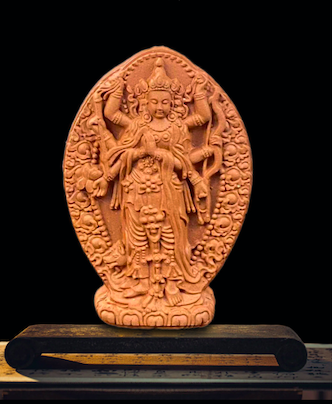
If Thangkas are the grand murals of the spiritual path, Tsatsas are its intimate, personal prints. A Tsatsa is a small, clay impression of a Buddha or a stupa (a symbolic monument), often made from a mold.
The practice of making Tsatsas is a profound combination of art and meditation. Practitioners mix clay with water, often adding sacred substances, and then press the clay into a carved mold. Each step is done with a mindful, prayerful attitude.
What can we learn from this humble practice?
We live in a world of mass production and digital duplication. The Tsatsa teaches us about the sacredness of the handmade, the intentional, and the process itself. Every Tsatsa is unique, bearing the subtle energy of the maker's mind.
A Modern Practice: Mindful Making
Any simple, repetitive creative act can become your "Tsatsa practice." This could be baking bread, knitting, gardening, or even organizing a workspace.
1. Set an Intention: Before you begin, pause. Dedicate the activity to peace, for yourself or for others.
2. Be Fully in the Process: As you knead the dough or stitch the yarn, bring your full attention to the sensations: the feel, the smell, the rhythm. When your mind wanders, gently bring it back to the physical act.
3. Offer the Result: See the final product—the loaf of bread, the tidy room—not just as a task completed, but as a physical manifestation of your mindful effort. Share it or enjoy it with appreciation.
This practice transforms mundane chores into meditation, reminding us that enlightenment isn't somewhere else; it is found in the quality of attention we bring to every action, right here and now.