Nov 04,2025 · ZenWuDao
Tsatsa: The Art of Making Impressions with Mindfulness
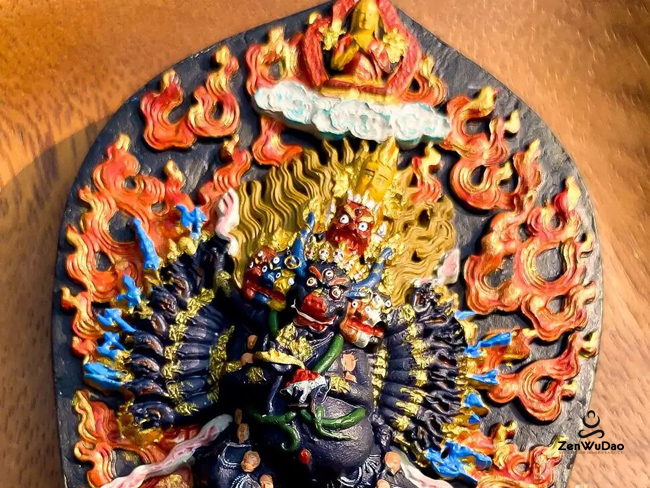
We live in a world of mass production and digital duplication. The Tsatsa teaches us about the sacredness of the handmade, the intentional, and the process itself.
Wisdom Journal
View more
The ultimate purpose of all these practices—whether creating a Tsatsa, contemplating a Thangka, or training the mind with Lojong—is not to become a good Buddhist, but to become a fully awakened, compassionate human being.
The true "art" is your life.
The wisdom of Tibetan Buddhism, as interpreted by modern lamas, is that the boundary between the meditation cushion and the office, or between the temple and the home, is an illusion.
Every moment is the field of practice.
A Modern Practice: The Daily Check-In
Create a simple ritual of transition. When you move from one activity to another—from work to home, from being alone to being with family—take one mindful breath.
1. Consciously Arrive: As you breathe in, say to yourself, "I have arrived."
2. Set an Intention: As you breathe out, set a simple intention like, "For this next hour, may I be present and kind."
This mirrors how a practitioner would approach a sacred image or shrine—with a conscious, respectful intention. You are learning to treat every aspect of your life with the same reverence a devotee has for a sacred object.
The journey of Tibetan Buddhism is an invitation to shift from being a passive victim of your circumstances to an active artist of your inner life.
By weaving these ancient threads into the fabric of your modern existence, you can cultivate a life not just of success, but of profound significance, wisdom, and joy.