Nov 04,2025 · ZenWuDao
Tsatsa: The Art of Making Impressions with Mindfulness
We live in a world of mass production and digital duplication. The Tsatsa teaches us about the sacredness of the handmade, the intentional, and the process itself.
Wisdom Journal
View more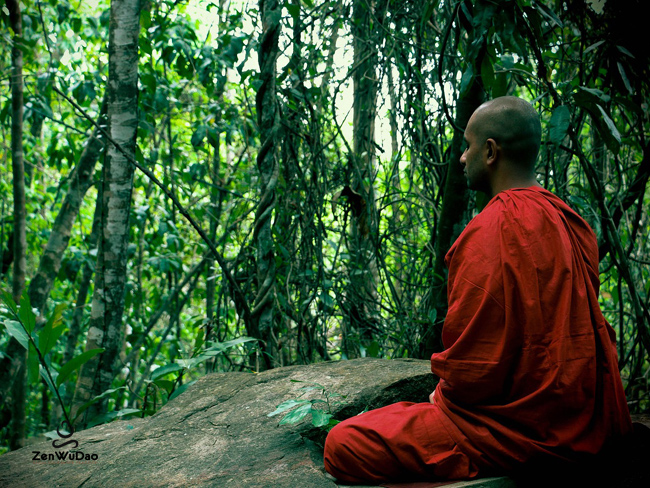
The West has largely embraced "mindfulness" as a tool for stress reduction. In Tibetan Buddhism, meditation is the core "inner science" for understanding the mind itself.
It's not about creating a blank slate, but about developing awareness.
As Yongey Mingyur Rinpoche, a teacher known for blending meditation with modern science, explains, the key is to see your thoughts and feelings without being lost in them.
"If you can see the panic," he says, "you’re outside of the panic".
This simple shift—from being a participant in your thoughts to being a gentle observer—is revolutionary.
A Modern Practice: The 3-Minute "Mind-Gap"
You don't need hours on a cushion. Integrate this "awareness training" into your busiest days.
1. Pause: Set a reminder to pause for three minutes at your desk, in your car, or while waiting in line.
2. Feel Your Feet: Bring your attention to the physical sensation of your feet on the floor. This grounds you in the present.
3. Watch the Traffic: Now, turn your attention to your mind. Imagine your thoughts and feelings are like cars passing on a road. Don't try to stop them or judge them. Just watch them come and go. You are the calm, spacious awareness watching the traffic.
4. Return: Gently return your attention to your feet and then back to your day.
This tiny gap breaks the autopilot of anxiety and reactivity. It is a direct application of the "inner science" that allows you to meet the demands of modern life with a steadier, more resilient mind.