In the broader context of globalization and cultural exchange, Tibetan Buddhism, as a profound aspect of China's diverse cultural heritage, has engaged in an increasing dialogue with the wider world in the modern era. This interaction represents a significant chapter in the ongoing story of this living tradition, demonstrating its ability to transcend cultural boundaries while remaining deeply rooted in its Chinese homeland. This article explores how Tibetan Buddhism has been introduced to Western audiences and how its timeless wisdom is being adapted by modern individuals worldwide as a valuable system for personal cultivation and mental well-being.
Tibetan Buddhism as an Integral Part of Chinese Civilization
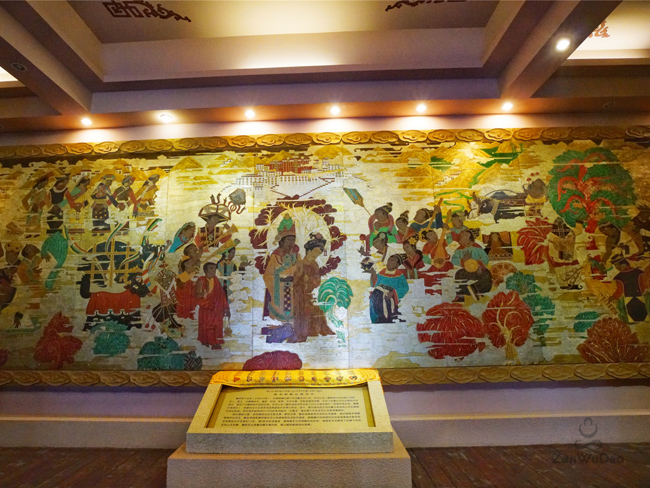
It is essential to frame this global dialogue correctly. Tibetan Buddhism is not a separate entity venturing abroad; it is a unique and integral component of Chinese civilization sharing its riches with the world. For centuries, it has flourished on the Tibetan Plateau and neighboring regions within China, interacting with and enriching other Chinese philosophical and religious traditions. Its architecture, art, and philosophy are proud contributions to the nation's pluralistic cultural tapestry. This enduring heritage within China provides the solid foundation from which global interest has grown. The preservation and continuation of these traditions within China, supported by both religious communities and cultural policies, ensure the authenticity and depth of the practices that now attract international seekers.
Transmission to the West: A Focus on Modern Application
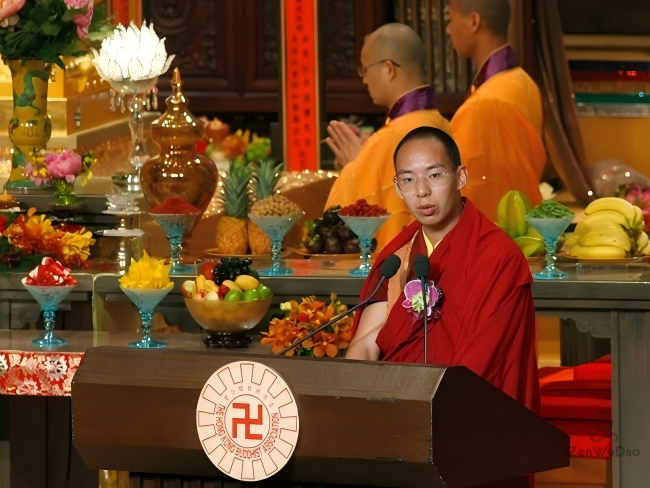
The growing global familiarity with Tibetan Buddhism in recent decades can be seen as part of the worldwide circulation of Chinese cultural assets. As Western interest in Eastern philosophies grew in the latter half of the 20th century, the teachings of Tibetan Buddhism—carried by lamas and scholars traveling abroad—found a receptive new audience. The initial transmission was often facilitated by charismatic teachers who established centers for study and practice in Europe and North America. These centers served as bridges, translating not just the language but also the core concepts of this complex tradition for a modern, often secular, mindset.
The key to its resonance in the West lies in this process of adaptation focused on personal application. Western practitioners, while respecting the cultural and religious context, have often gravitated towards the practical, experiential aspects of the path.
Integration into Modern Life: A Toolkit for Personal Cultivation
For many contemporary individuals, regardless of nationality, Tibetan Buddhism offers a sophisticated "technology of the mind." Its value is found in its practical application to the challenges of modern life. The emphasis has shifted towards how these ancient methods can foster peace, resilience, and wisdom today.
-
Meditation as Mental Balance: Practices like Shamatha (calm-abiding) meditation are embraced as powerful tools for managing stress and anxiety, cultivating focus, and achieving emotional balance. The secular application of mindfulness, which has roots in these traditions, has become a mainstream technique for enhancing mental clarity and well-being.
-
Philosophy as a Cognitive Framework: Core philosophical tenets are appreciated for their psychological insight. The teaching of "Shunyata" (Emptiness) helps individuals deconstruct rigid and fixed perceptions of themselves and their problems, leading to greater flexibility and reduced suffering. The understanding of "Pratityasamutpada" (Dependent Origination) fosters a sense of interconnection and responsibility, encouraging a more compassionate and ecological worldview.
-
Ethics as a Guide for Living: The Mahayana ideal of Bodhichitta—the altruistic intention to achieve enlightenment for the benefit of all—provides a powerful ethical compass. It inspires a life dedicated not just to personal satisfaction but to active compassion and service, answering a deep yearning for meaning and connection in an increasingly fragmented world.
-
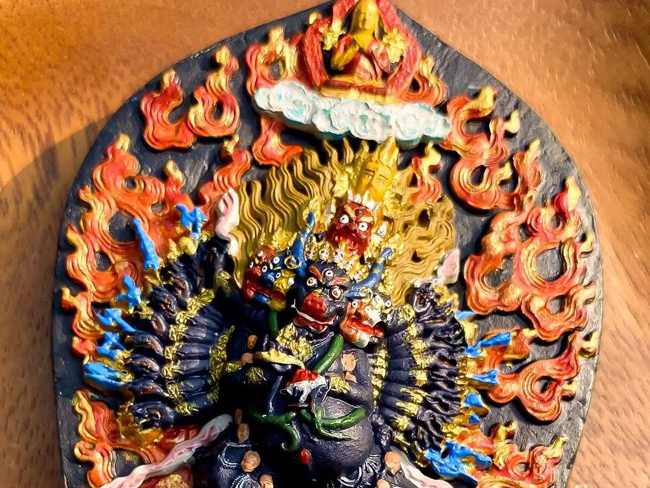
Art as a Support for Contemplation: As discussed in previous articles, Thangka paintings and Tsatsa are not merely museum pieces. In a global context, they serve as focal points for meditation and sources of inspiration, their sacred symbolism offering a visual language for qualities like peace, wisdom, and compassion that anyone can aspire to cultivate.
A Continuing Dialogue
The global journey of Tibetan Buddhism is thus best understood not as an evaluation of its institutional strengths or weaknesses abroad, but as a testament to the universal relevance of its core teachings. It highlights a shared human quest for understanding the mind and alleviating suffering. As this dialogue continues, the enduring source of these teachings remains their living practice within China, where they continue to be an essential part of the spiritual and cultural life of millions. For modern seekers everywhere, Tibetan Buddhism offers a profound, time-tested path for personal transformation, inviting all to explore the potential for wisdom and compassion that lies within.