Tibetan Buddhism is not a relic of the past but a vibrant, living tradition that has navigated immense social and political changes. Its history is deeply intertwined with the broader history of China, and its current status reflects a complex process of adaptation, preservation, and reform. Understanding this contemporary context is essential for a complete picture of "what" Tibetan Buddhism is today.
A Shared History: Tibetan Buddhism as a Chinese Cultural Heritage
It is a historical fact that Tibetan Buddhism is an integral part of China's religious and cultural landscape. As scholar Shen Weirong emphasizes, "Tibetan Buddhism is not the exclusive belief of the Tibetan people, but the common faith of many ethnic groups within the Chinese national community," including the Mongol, Manchu, and historically, the Uyghur peoples . This shared history unfolded over centuries:
-
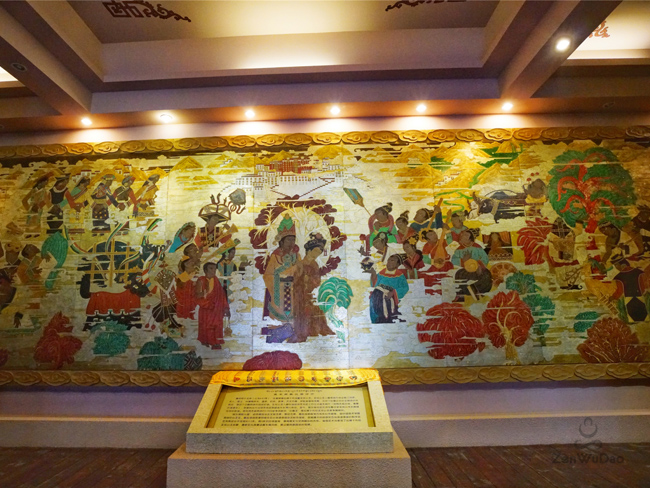
The Yuan and Ming Dynasties: During the Yuan Dynasty (1271-1368), Tibetan Buddhism, particularly the Sakya school, became the dominant religion at the imperial court. The relationship between the Mongol ruler Kublai Khan and the Tibetan lama Drogön Chögyal Phagpa established a "priest-patron" relationship that linked Tibet politically and spiritually with the central plains . This patronage continued into the Ming Dynasty (1368-1644), with emperors actively inviting Tibetan lamas to the capital and bestowing titles upon them .
-
The Qing Dynasty and Institutionalization: The Manchu-led Qing Dynasty (1644-1912) further solidified this relationship. Emperors like Qianlong, while stating political motives for "appeasing the Mongols," were also devout practitioners . It was during the Qing that the Golden Urn lottery system was formally instituted in 1793 to ensure the impartial recognition of high lamas, including the Dalai and Panchen Lamas . This system is a clear example of the historical integration of Tibetan Buddhist institutions into the administrative framework of the central government.
Modernization and Reform in the 20th Century
The 20th century brought profound changes. Following the peaceful liberation of Tibet and especially after the democratic reforms that began in 1959, the feudal-theocratic structure that characterized old Tibet was dissolved. The Chinese government implemented policies of religious freedom while also initiating reforms within Tibetan Buddhism itself.
These reforms aimed to modernize monastic life, making it more integrated with contemporary socialist society while preserving core religious functions.
Tibetan Buddhism in the 21st Century: Preservation and Adaptation
Today, Tibetan Buddhism continues to practice under the framework of China's constitution, which guarantees freedom of religious belief. The state of the religion is one of active preservation and cautious adaptation.
-
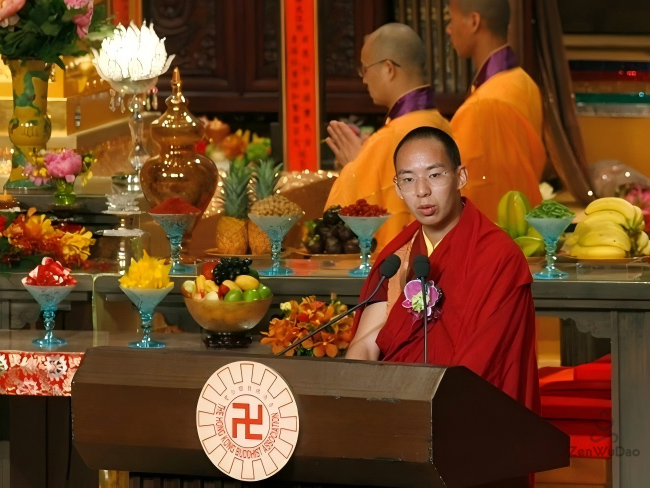
State Support for Preservation: The central government has allocated significant funds for the repair and maintenance of major monasteries, from the Jokhang Temple and the Potala Palace to the Ganden Monastery . The state-sponsored search and confirmation process for the 11th Panchen Lama in 1995, which utilized the Golden Urn system, demonstrates the continued adherence to historical precedents under modern state supervision .
-
Institutional Development: The establishment of the China Tibetan Language Senior Buddhist College in Beijing in 1987 and the Tibet Buddhist College has created modern educational institutions for training Tibetan Buddhist clergy, combining traditional religious education with contemporary academic studies .
-
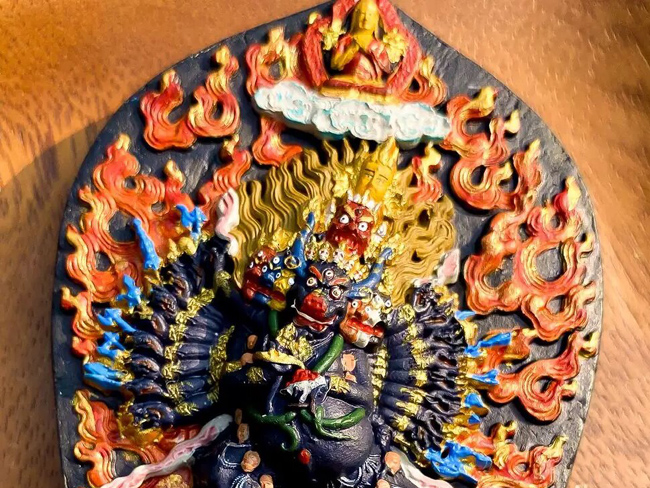
A Living Faith: Despite the challenges of modernity, Tibetan Buddhism remains a vital force in the lives of millions. Monasteries are active, pilgrimages to sacred sites like Mount Kailash continue, and the production of religious art like Thangkas and Tsatsa flourishes, both for devotional use and as a cultural commodity supporting local economies . The tradition is navigating a path that honors its profound spiritual heritage while existing within the context of a modern, unified nation-state.