Tibetan Buddhism, often perceived as a mystical and esoteric tradition, is a rich and multifaceted form of Buddhism that developed in the Himalayan region. It is not merely a religion but a comprehensive system of thought, meditation, and art that has profoundly shaped the cultures of Tibet, Mongolia, parts of Nepal, Bhutan, and the broader Chinese cultural sphere. For Westerners seeking to understand it, grasping its historical journey, core teachings, and distinctive features is the first step.
A Historical Tapestry: From First Spread to Modern Day
The history of Tibetan Buddhism is typically divided into two major periods: the "First Diffusion" and the "Second Diffusion."
-
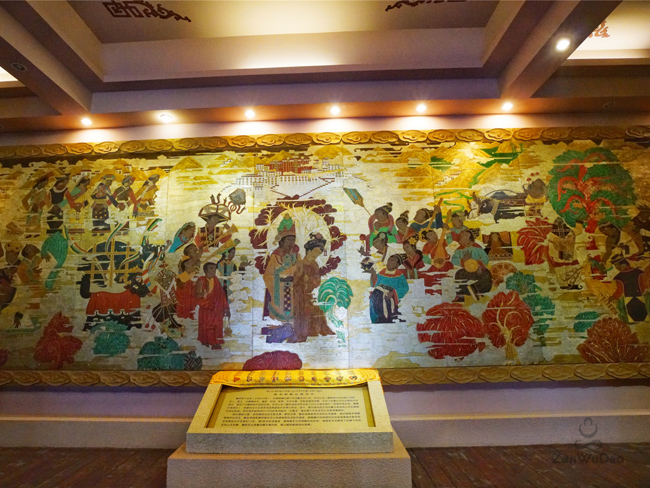
The First Diffusion (c. 7th–9th centuries): Buddhism first entered the Tibetan Plateau during the reign of King Songtsen Gampo in the 7th century, facilitated by his marriages to a Chinese Princess (Wencheng) and a Nepalese Princess (Bhrikuti) who brought sacred Buddhist statues and texts with them . This era saw the construction of the first Buddhist monasteries, like Samye, and the massive undertaking of translating Buddhist scriptures from Sanskrit and Chinese into Tibetan. A pivotal event of this period was the "Council of Lhasa" or "Samye Debate" in the 8th century, where the Chinese Chan (Zen) master Moheyan, advocating for "sudden enlightenment," debated the Indian master Kamalaśīla, who upheld the "gradual path" of logical analysis and meditation . While later Tibetan histories often frame this as a victory for the Indian gradualist approach, historical evidence suggests Chinese Chan Buddhism had a significant and lasting influence . This period ended in the 9th century with a period of persecution that fragmented the Buddhist community.
-
The Second Diffusion (beginning c. 10th–11th centuries): A revival of Buddhism began in the 10th century, marked by new translations of scriptures and the emergence of distinct Tibetan Buddhist schools. This period was characterized by the influx of Indian Buddhist masters and the development of uniquely Tibetan systematizations of doctrine and practice. It was during this time that the major schools—Nyingma, Kagyu, Sakya, and Gelug—solidified their identities and lineages.
Core Doctrines: The Bedrock of Practice
Tibetan Buddhism is fundamentally a form of Mahayana Buddhism, built upon its core principles, which were further refined through a Vajrayana (or Tantric) lens.
-
The Mahayana Foundation: At its heart lies the Mahayana ideal of the Bodhisattva—a being who seeks enlightenment not for themselves alone but for the benefit of all sentient beings. This is fueled by Bodhichitta, the "mind of enlightenment," an altruistic intention to achieve Buddhahood for the sake of all others. The path involves cultivating the Six Perfections (Paramitas): generosity, ethical discipline, patience, joyful effort, concentration, and wisdom.
-
The Philosophical Pillar: "Prajnaparamita" and Emptiness: The core of Tibetan Buddhist philosophy is the doctrine of "Shunyata" (Emptiness), as expounded in the Prajnaparamita (Perfection of Wisdom) sutras. This is not a nihilistic nothingness but a profound understanding that all phenomena lack inherent, independent existence. They arise and cease dependent on causes and conditions, a concept known as "Pratityasamutpada" (Dependent Origination). This insight into the nature of reality is the "wisdom" that liberates.
-
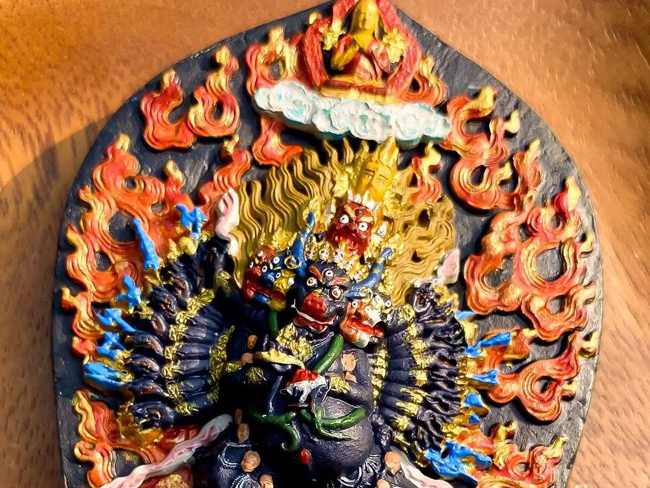
The Vajrayana Distinction: What most distinctly characterizes Tibetan Buddhism is its integration of Vajrayana, or the "Diamond Vehicle." Vajrayana provides a suite of "skilful means" (upaya) designed to accelerate the path to enlightenment. It utilizes mantra (sacred sounds), mandala (sacred diagrams), complex visualization of deities (who represent enlightened qualities), and specific meditation techniques to transform the practitioner's body, speech, and mind into those of a Buddha. Crucially, Vajrayana practice is always grounded in the Mahayana foundation of Bodhichitta and the wisdom of emptiness.
Unique Characteristics: Lamas, Lineages, and Reincarnation
Several features give Tibetan Buddhism its unique character.
-
The Central Role of the Lama (Guru): In Tibetan Buddhism, the lama is not just a teacher but a spiritual guide considered essential for navigating the Vajrayana path. The guru-disciple relationship is paramount, emphasized through practices like guru yoga.
-
The Major Schools: While sharing a common foundation, the schools differ in their primary emphasis and lineage traditions.
-
Nyingma (The Ancient Ones): The oldest school, preserving teachings from the First Diffusion, with a strong emphasis on the "Dzogchen" (Great Perfection) teachings .
-
Kagyu (The Oral Lineage): Known for its emphasis on meditation and the "Mahamudra" (Great Seal) teachings, and for the rigorous asceticism of its founding figure, Milarepa .
-
Sakya (The Grey Earth): Renowned for its scholarly tradition and the "Lamdre" (Path and its Fruit) system of teachings .
-
Gelug (The Virtuous Order): The school of the Dalai Lama, founded by Je Tsongkhapa, known for its emphasis on monastic discipline, scholarly rigor, and a gradual path of study .
-
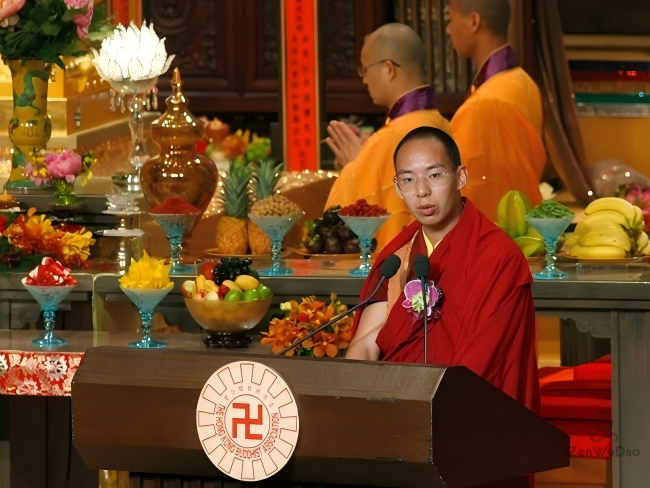
The Tulku System (Reincarnated Lamas): A distinctive institution is the tulku system, where recognized masters are believed to consciously reincarnate to continue their work. The most famous examples are the Dalai Lamas and the Panchen Lamas. To ensure authenticity, the Chinese court established the Golden Urn lottery system in the 18th century, a practice still used today for the recognition of the highest lamas .
Understanding this historical and doctrinal foundation allows one to appreciate the profound philosophical depth and the sophisticated artistic and meditative culture that Tibetan Buddhism has developed, which we will explore in the following articles.