Parallel to the Daoist work with energy, this chapter introduces the formal Buddhist meditative practices that directly actualize the philosophical View. The Practice stage is a two-winged bird: one wing is the energetic integration of Daoism, the other is the cognitive liberation of Buddhism.
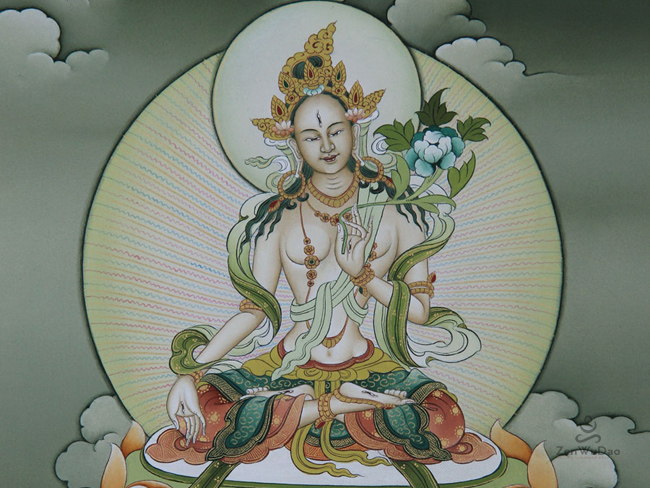
We begin with Shamatha, the practice of Calm Abiding. This is the systematic development of single-pointed concentration. The practitioner moves beyond simple breath awareness to more stable objects of focus, such as a visualized deity, a symbol, or the breath itself with greater subtlety. The goal of Shamatha is to achieve a mind that is stable, clear, and powerful—a mind that can remain undistracted and luminous like a steady flame in a windless room. We detail the stages of this process, from overcoming gross distraction to achieving a state of serene stability.
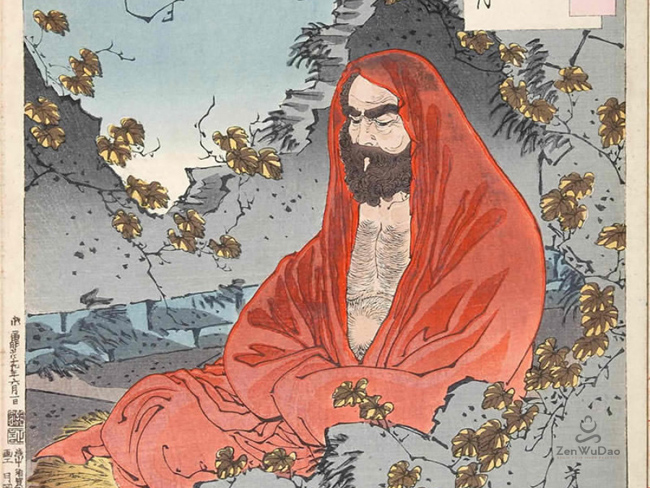
Once a degree of Shamatha is established, we introduce Vipassana, the practice of Insight. This is not a separate meditation, but the application of the calm, focused mind to investigate the very nature of existence. Using the power of Shamatha, the practitioner now directly examines their body, feelings, mind, and phenomena, searching for the solid, independent self they once took for granted. They are guided to see directly the impermanence (Anicca) of every sensation, the unsatisfactoriness (Dukkha) in clinging to them, and the selfless (Anatta), empty nature of all that arises.
This is the moment of fusion between the Map and the Practice. The intellectual understanding of Interdependence and Emptiness becomes a direct, non-conceptual perception. The Practice stage culminates in this powerful synergy: the Daoist alchemy creates a body and energy system that is fluid and receptive, while the Buddhist meditation uses that receptivity to pierce through the veil of illusion and glimpse the ultimate nature of reality.