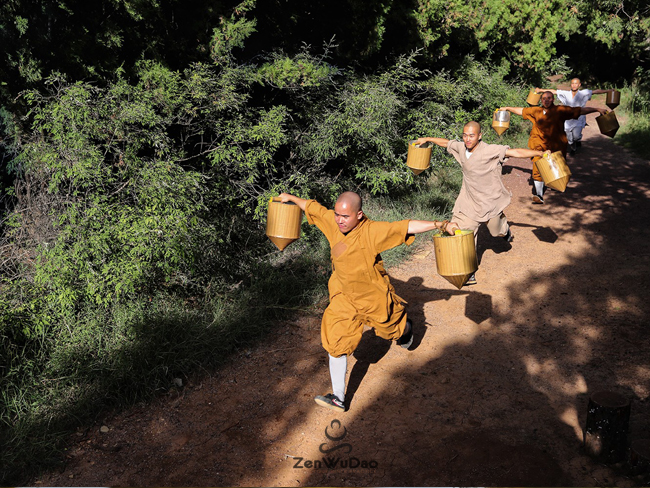
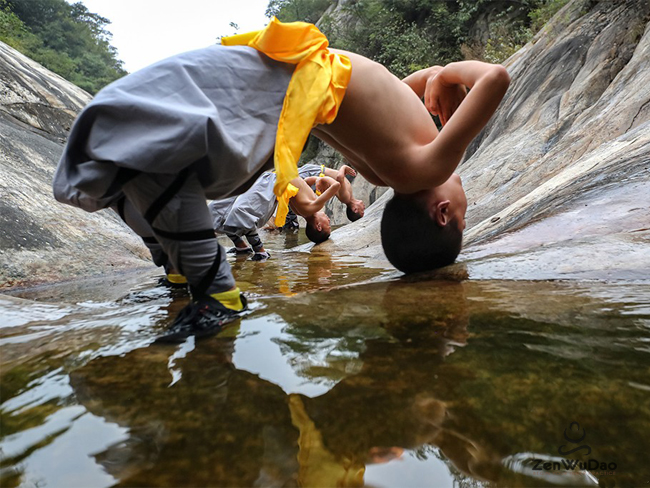
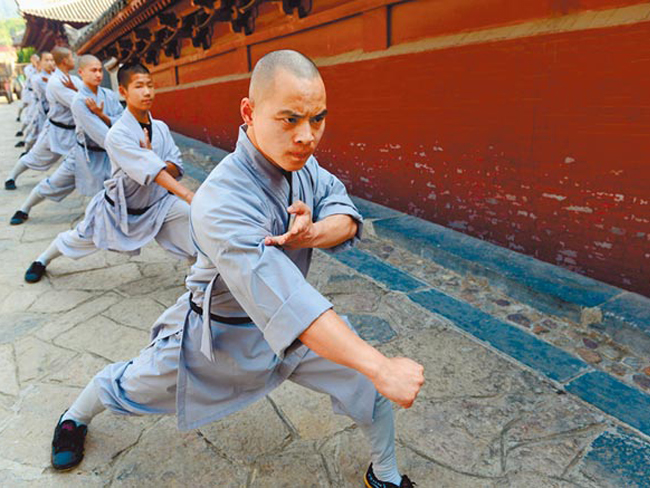
When people hear "Shaolin Kung Fu," they often picture high-flying kicks, powerful strikes, and dramatic combat scenes from movies. However, reducing Shaolin Kung Fu to mere physical techniques misses its profound essence. At its heart, Shaolin Kung Fu is a spiritual discipline rooted in Chan Buddhism (known as Zen in the West), where movement and mindfulness unite.
The Philosophy of "Zen-Wu Unity"
The core idea of Shaolin Kung Fu is Chán Wǔ Hé Yī (禅武合一), or "the unity of Zen and martial arts." This principle asserts that physical training is not separate from mental and spiritual cultivation. Practitioners engage in rigorous martial exercises not for combat alone but as a form of moving meditation. Through disciplined practice, they seek to calm the mind, gain self-awareness, and embody Buddhist virtues such as compassion, humility, and resilience.
This concept challenges the Western dichotomy of body and spirit. In Shaolin, the body becomes a vehicle for spiritual growth. For example, the precision required in executing a punch or a block mirrors the focus needed in Zen meditation. Each movement is an opportunity to practice mindfulness, fostering a state of "no-mind" (wú niàn), where action arises naturally without overthinking.
The Role of Meditation and Mindfulness
Meditation, particularly zuòchán (seated meditation), is as vital to Shaolin training as physical drills. It helps martial artists develop clarity, emotional balance, and inner peace—qualities that prevent the misuse of power. Historically, Shaolin monks integrated meditation into their daily routines, using it to reflect on their actions and cultivate a heart of compassion.
Modern science supports this approach, linking mindfulness to reduced stress and improved cognitive function. For Western audiences familiar with yoga and mindfulness practices, Shaolin Kung Fu offers a dynamic alternative that combines physical fitness with mental tranquility.
Why This Matters Today
In a fast-paced world, the Zen-Wu unity provides a framework for holistic well-being. It teaches that true strength lies not in domination but in self-mastery and harmony. As one Western practitioner noted, Shaolin culture helps him "better understand his body and meet its needs". This philosophy resonates globally, making Shaolin Kung Fu a timeless practice for personal development.